Herniated discs are a common cause of back pain. Physical therapy is one of the main treatments for herniated discs. Physical therapy can help reduce the discomfort and pain a herniated disc can cause and help you get back to the things you love. In order to understand how physical therapy works to treat a herniated disc, it’s important to know what a herniated disc is.
Your spine is made up of a series of bones called vertebrae. Each vertebra is cushioned by a disc, this disc is composed of a tough exterior with a soft jelly-like interior. A herniated disc comes about when the jelly-like interior breaks through the tough exterior of the disc and irritates the surrounding nerves. This can come about for a variety of reasons, most commonly due to degeneration of the disc through age.
A herniated disc may not always cause symptoms, but when it’s pressing on a nerve it can cause back pain that radiates to the extremities. Sciatica, an irritation of the sciatic nerve, is often caused by a herniated disc in the lumbar spine.
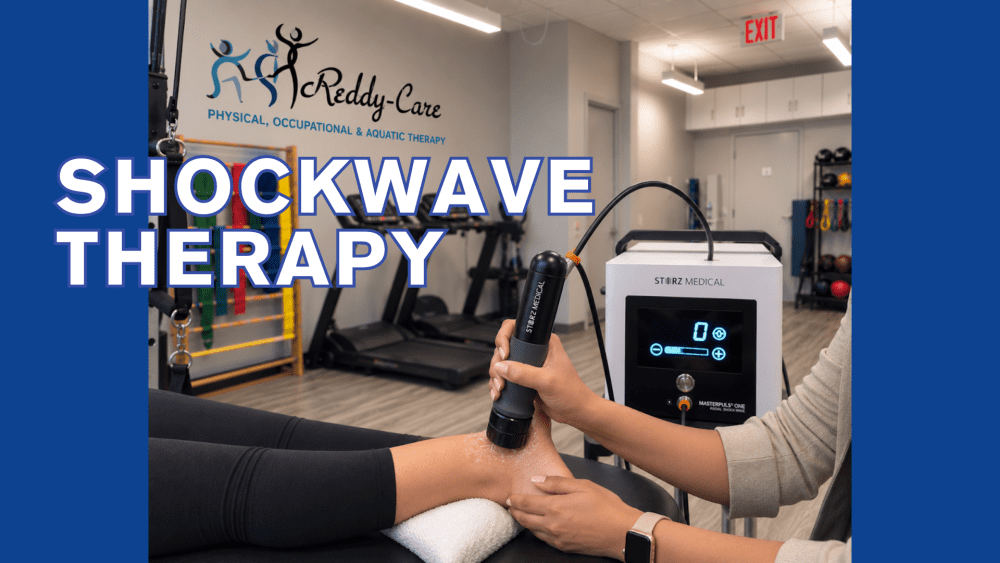
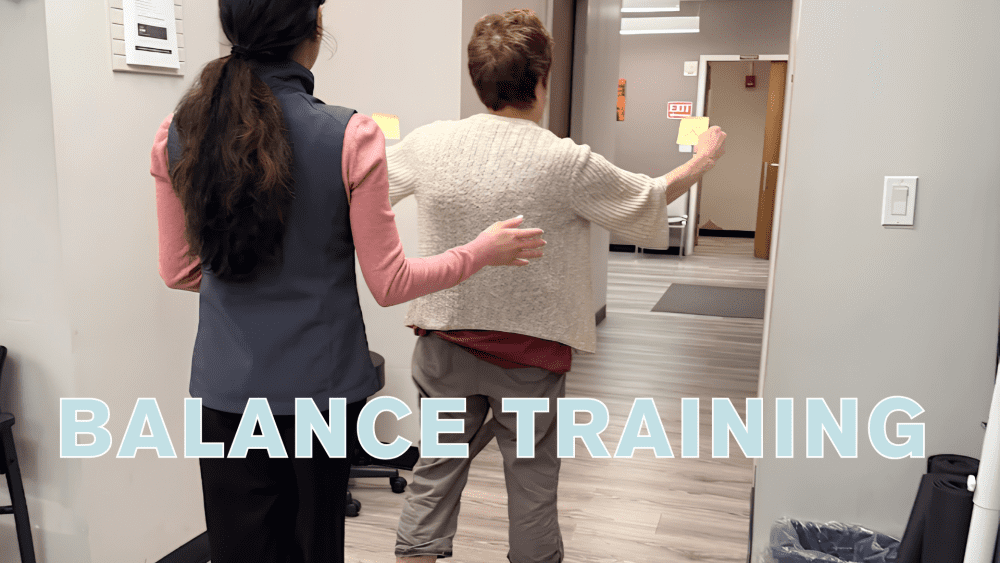
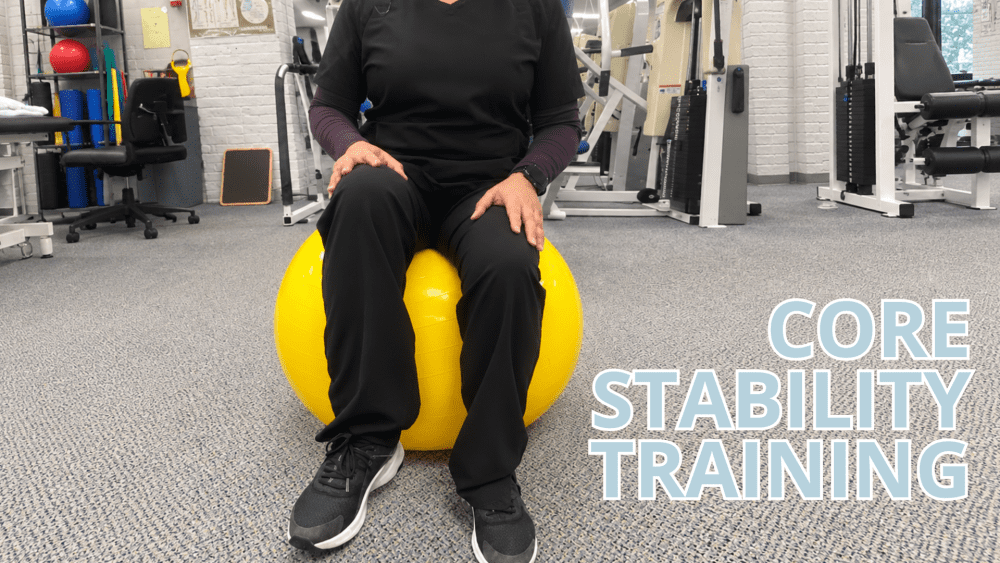
The goal of physical therapy is to reduce the pain and inflammation related to your herniated disc. Your plan will be personalized based on your symptoms and specific needs. There are a variety of treatment modalities that a therapist may use to treat your herniated disc including:
- Stretching and strengthening exercises
- Ultrasound therapy to reduce pain and inflammation
- Electrical stimulation
- And heat and ice therapy
If you are experiencing pain related to a herniated disc, our team of therapists at Reddy Care Physical and Occupational therapy can help. Give us a call today to find out how.
Reddy Care Great Neck (Great Neck Physical Therapy): 516-829-0030
Reddy Care Farmingdale (Farmingdale Physical Therapy): 516-420-2900
North Shore Towers: 718-224-8480
In-Home Physical & Occupational Therapy (Home Care): 516-829-0030
*Home therapy servicing Long Island, Queens, Staten Island, Brooklyn & Manhattan
Source
Author
 Reddy Care Physical & Occupational Therapy
 is an outstanding specialty service providing exceptional care and state-of-the-art treatments for the residents of Farmingdale and Great Neck, New York. The combination of innovative exercise programs, manual therapy, and technology together with the expertise of every member of the team enables Reddy Care Physical & Occupational Therapy to provide services that ensure superior clinical outcomes and consistently high patient satisfaction.