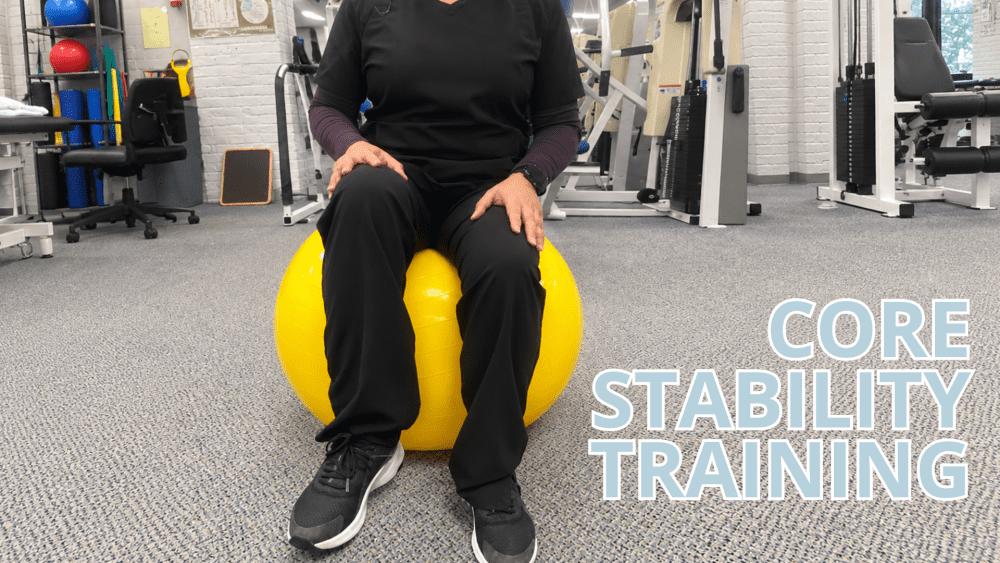
Research has shown that fall prevention in the elderly can be supported through the use of physical therapy.
Falls are the leading cause of fatal and non-fatal injuries for seniors over the age of 65, with statistics indicating that one in four Americans in this age group are affected every year.
Falls, which at the very least temporarily stop seniors from remaining as active as they need to be, result in over 2.8 million injuries treated in emergency departments every year.
These are just a few statistics representing the “bad news”. The “good news” is that many falls are preventable. Following is a checklist you may use to fix hazards in your home and thus decrease your risk of falling.
Floors
- Check floors in every room
- Move furniture so that your path is clear
- Tape or coil cords and wires next to the wall so you can’t trip over them
- Don’t use extension cords. Have an electrician put in another outlet
- Remove saddles or flatten uneven surfaces between rooms
Stairs and Steps
- Check the stairs both inside and outside of your home
- Keep the stairs free of all clutter
- Fix broken and uneven steps
- Have handrails put in all of your staircases. Make sure the handrails are on both sides of the stairs and are as long as the stairs
- If you have carpeting, make sure it is firmly attached to each step. Alternatively, remove the carpeting and attach non-slip rubber treads on the stairs
- Put lights in all of your staircases. If needed, have an electrician put a light switch at the top and bottom of the stairs
Bathrooms & Kitchens
- These can be dangerous places. Be extra careful
- Beware of water on the floor and clean up all spills as soon as they occur
Bedrooms
- Check all of your bedrooms
- Place a lamp close to the bed where it is easy to reach
- Put a night-light so you can see where you are walking. Some night-lights go on by themselves after dark
General Safety Tips
- Wear sturdy shoes with thin, non-slip soles. Avoid slippers and shoes with no backs
- Improve the lighting in your home. Use brighter light bulbs (at least 60 watts). Use lampshades or frosted bulbs to reduce glare
- Be careful around pets
- Keep emergency numbers in large print near the phone or have them programmed into your speed dial
- Put a phone near the floor in case you fall and cannot get up
- Think about wearing an alarm device that will help in case you fall and cannot get up
Staying Healthy
- Have your vision checked at least once a year by an eye doctor. Poor vision can increase your risk of falls
- Have your doctor Look at all of the medicine you take, even over-the-counter medication. Some medicine can make you sleepy or dizzy or blur your vision which can lead to a fall.
In addition to using the household checklist provided, if you would like a fall risk assessment performed by a Physical or Occupational Therapist in your home then don’t hesitate to contact us.
Reddy Care Physical Therapy Great Neck: 516-829-0030
Reddy Care Physical Therapy Farmingdale: 516-420-2900
In-Home Physical & Occupational Therapy: 516-829-0030
Author
 Dr. Stephanie Idjadi, DPT, CAFS, FMT
Dr. Stephanie Idjadi, DPT received her Doctorate of Physical Therapy from the New York Institute of Technology. She has done research in Parkinson's and was published in the International Journal of Health Sciences. Stephanie began her career at Reddy-Care Physical Therapy nine years ago as a physical therapy aide while also working on marketing, recruiting, human resources and many other administrative activities. After graduating in 2015 Stephanie started her career with us as a physical therapist. As the clinical director of our Great Neck clinic, she supports a team of 9 therapists. In her role, she ensures that clinical care is delivered to the highest standards so that patients can achieve their goals.
Dr. Stephanie Idjadi, DPT, CAFS, FMT
Dr. Stephanie Idjadi, DPT received her Doctorate of Physical Therapy from the New York Institute of Technology. She has done research in Parkinson's and was published in the International Journal of Health Sciences. Stephanie began her career at Reddy-Care Physical Therapy nine years ago as a physical therapy aide while also working on marketing, recruiting, human resources and many other administrative activities. After graduating in 2015 Stephanie started her career with us as a physical therapist. As the clinical director of our Great Neck clinic, she supports a team of 9 therapists. In her role, she ensures that clinical care is delivered to the highest standards so that patients can achieve their goals.