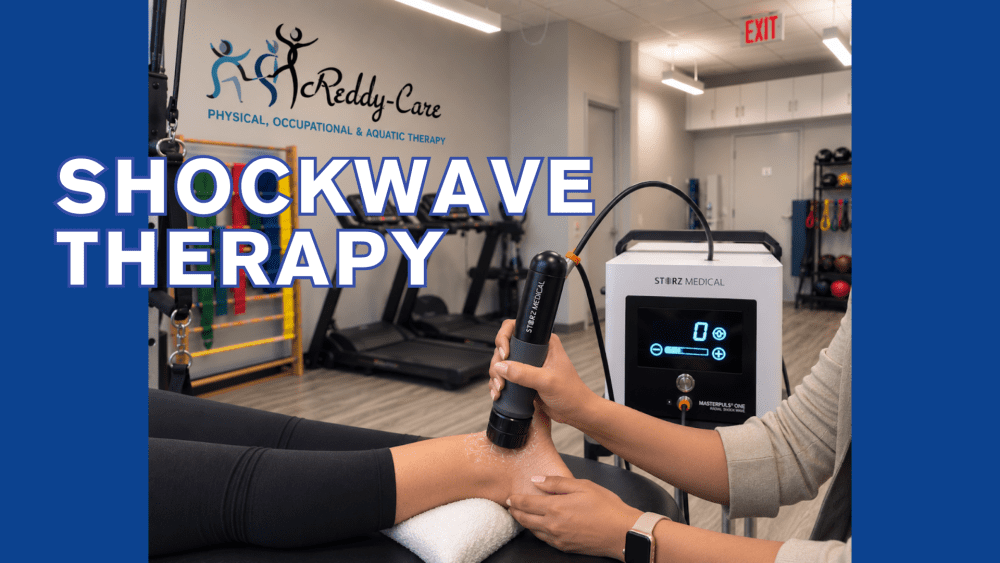
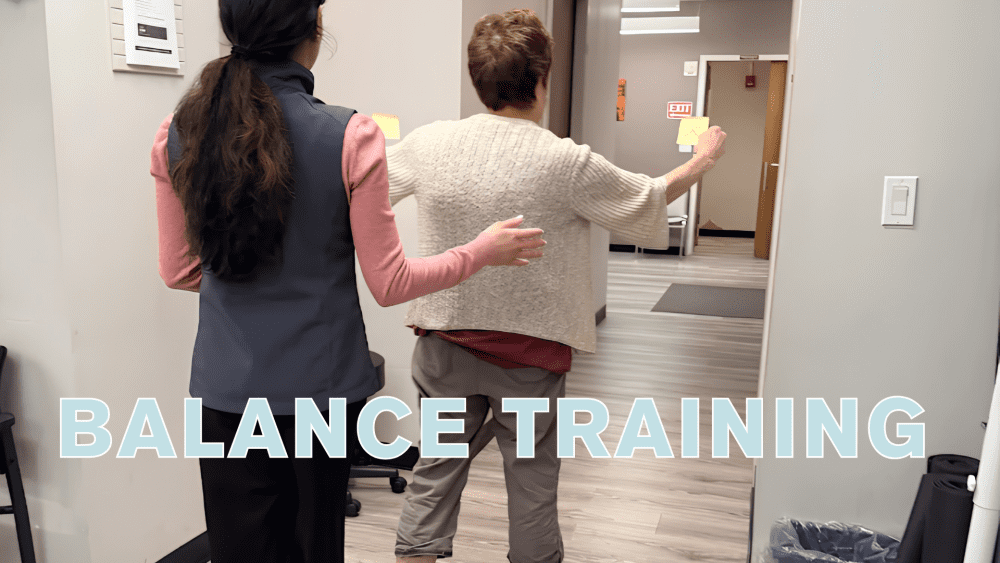
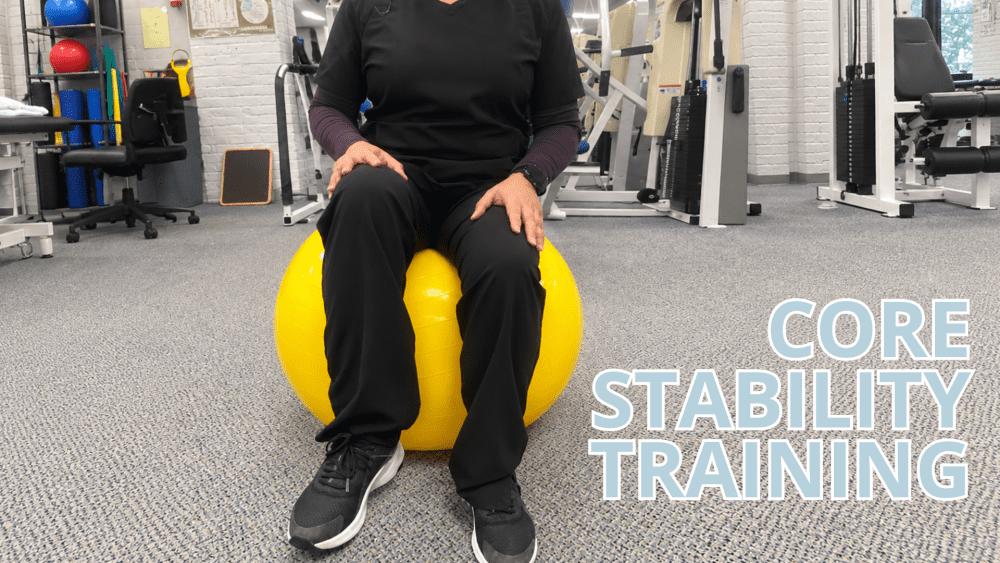
The shoulder is made up of several joints, combined with muscles and tendons. The shoulder is very mobile and allows for a wide range of motion. We use our shoulders for so many daily tasks like showering, getting dressed, eating, and even writing. When our shoulder is injured or damaged it can be quite frustrating and debilitating.
There are many reasons one could experience pain and immobility of the shoulder. Some common causes are fracture, tendon inflammation or tear, and arthritis. Shoulder instability is another type of shoulder injury when the head of the upper arm bone is forced out of the shoulder socket. In the case of a serious injury causing severe pain, medical treatment should be sought right away. Your doctor will be able to provide a comprehensive physical examination and pinpoint the cause of your shoulder pain and recommend the best course of treatment.
Surgery may be required to resolve some shoulder injuries, however, a physical therapist can help you heal and regain mobility and strength without surgery. Some common shoulder rehabilitation techniques include manual therapy, targeted exercises, laser therapy, and ultrasound technology. Your therapist will put together a treatment plan based on your specific symptoms and needs. Getting proper care early on can ease your recovery and lessen the risk of reinjury.
Reddy Care Physical and Occupational Therapy have an excellent team of physical therapists. They are trained on a wide range of shoulder rehabilitation treatments to promote a healthy recovery. Call us today to find out more!
Reddy Care Great Neck (Great Neck Physical Therapy): 516-829-0030
Reddy Care Farmingdale (Farmingdale Physical Therapy): 516-420-2900
North Shore Towers: 718-224-8480
In-Home Physical & Occupational Therapy (Home Care): 516-829-0030
*Home therapy servicing Long Island, Queens, Staten Island, Brooklyn & Manhattan
source
Author
 Reddy Care Physical & Occupational Therapy
 is an outstanding specialty service providing exceptional care and state-of-the-art treatments for the residents of Farmingdale and Great Neck, New York. The combination of innovative exercise programs, manual therapy, and technology together with the expertise of every member of the team enables Reddy Care Physical & Occupational Therapy to provide services that ensure superior clinical outcomes and consistently high patient satisfaction.
Reddy Care Physical & Occupational Therapy
Reddy Care Physical & Occupational Therapy is an outstanding specialty service providing exceptional care and state-of-the-art treatments for the residents of Farmingdale and Great Neck, New York. The combination of innovative exercise programs, manual therapy, and technology together with the expertise of every member of the team enables Reddy Care Physical & Occupational Therapy to provide services that ensure superior clinical outcomes and consistently high patient satisfaction.